How We Test for Mold
Here's our full process, from the first phone call to the lab report: the equipment, the sampling methods, how we choose between them, and what happens to your samples. If you're comparing inspectors, compare them on this.
Reviewed by the Nampa Mold Experts inspection teamUpdated How we write and check these pages
Start to finishOur mold testing process, step by step
Phone triage
What you've seen or smelled, leak history, health concerns, deadlines. We recommend a scope, or tell you a test won't help.
Visual assessment
Every room, the crawlspace or basement, the attic, HVAC and the exterior: stains, growth, odors, water sources.
Moisture mapping
Pin and pinless meters, temperature, relative humidity and dew point, and thermal imaging, with readings logged by location.
Targeted sampling
Only where samples will answer a question. Outdoor control first for air testing.
Lab + report
Chain-of-custody shipment to an accredited lab, then a plain-English report and a phone walkthrough.
The sampling methods we use
No single method tells the whole story. Each one answers a different question and has its own limits.
| Method | How it works | Best for | Limits |
|---|---|---|---|
| Spore trap air sample | A calibrated pump draws a measured volume of air through a cassette; the lab counts spores by type under a microscope (ASTM D7391). | Musty smells, hidden-mold questions, room comparisons, real estate, clearance | A few minutes of air; may miss sealed-in growth; needs an outdoor control |
| Outdoor control | The same air sample taken outside, upwind, the same day. | Interpreting every indoor air sample | Changes with season and weather, which is exactly why it's needed |
| Wall-cavity air sample | Air drawn from inside a wall through a small hole. | Moisture readings point behind finished surfaces | Small, minor hole; done only with your permission |
| Tape lift | Clear tape pressed on a surface, mounted on a slide for direct microscopy. | Identifying a visible growth; telling mold from dirt or soot | Describes only the spot sampled |
| Swab | A sterile swab rubbed over a defined area. | Irregular or rough surfaces, inside ducts or cavities | Describes only the spot sampled |
| Bulk sample | A small piece of material (drywall paper, insulation) sent to the lab. | When the material itself is in question | Removes a little material; used sparingly |
| ERMI / HERTSMI-2 dust | Settled dust analyzed with DNA (MSQPCR) for specific mold species. | Longer-term exposure questions, often physician-requested | Shows that mold is there, not where; costs more |
How we decide which samples to take
Sampling is chosen for the property and the reason for the visit. We won't recommend air samples in every room, and we won't skip samples you need to make a decision. A few examples:
- Visible spot, known cause: often no samples. Fix and clean.
- Musty smell, nothing visible: moisture mapping first, then air samples in the suspect area, a comparison room and outdoors.
- Buyer with a crawlspace note: crawlspace moisture readings, tape lifts if identification matters, and air samples upstairs if the question is whether crawlspace air reaches the living space.
- Wet wall after a pipe burst: moisture readings and, if they stay elevated, a wall-cavity sample.
- Doctor-requested evaluation: inspection, air samples, and possibly an ERMI or HERTSMI-2 dust test.
Sampling conditions we control for
- Pump calibrated before sampling; flow rate and time recorded
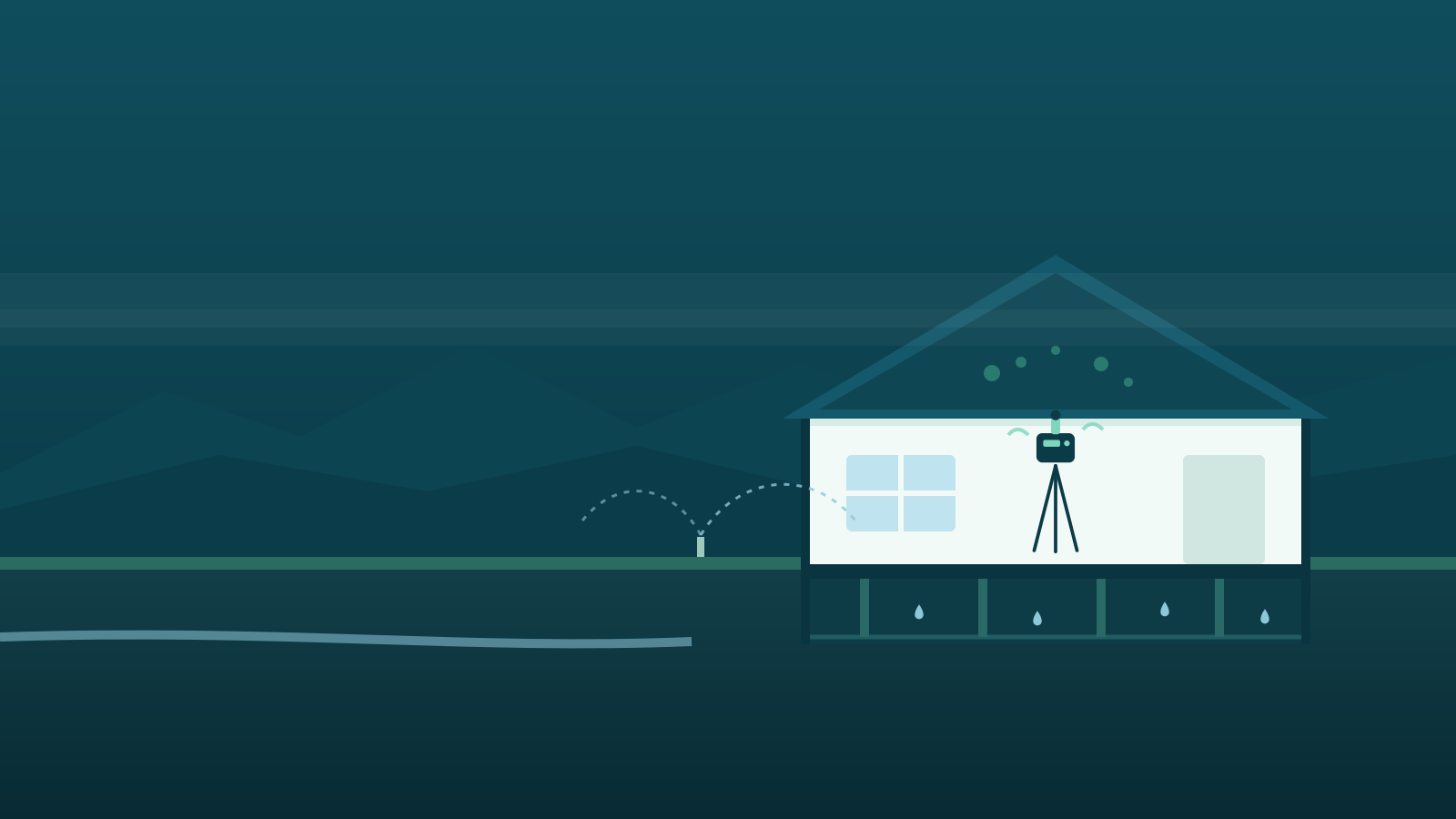
- Samples taken at breathing height on a tripod
- Windows and doors closed beforehand when possible; HVAC status noted
- No cleaning, vacuuming or air purifiers right before air sampling
- Weather and outdoor conditions recorded with the outdoor control
Where your samples go
Samples are analyzed by an independent laboratory accredited under the AIHA-LAP Environmental Microbiology (EMLAP) program, and the lab's report is attached to yours.
AIHA-LAP accreditation for environmental microbiology means the lab's methods, staff and quality controls are independently audited. Results from an unaccredited lab, or from a tester reading slides themselves, carry far less weight in a real estate negotiation, an insurance claim or a dispute.
Chain of custody
Each sample is labeled, logged and signed for at every hand-off, so results can be traced to the exact location and time.
Standard turnaround
2–3 business days from receipt at the lab.
Rush turnaround
24 hours for real estate deadlines, for an added lab fee.
What lab results can and can't establish
We report results accurately, without overstating them.
Results can show
- Which mold types were present in each sample, and how many
- How indoor air compared with outdoor air that day
- Whether water-damage indicator molds were present
- Whether a visible growth is mold, and what kind
Results can't show
- Whether mold caused anyone's symptoms
- A "safe" level (no federal limits exist)
- Where the water is coming from (the inspection does that)
- That a wall is clean just because room air looked normal
Related guides and services